
%20cropped.png)

A transformed river landscape
At Lake View Park, the River Sherbourne has undergone a major transformation. Following restoration works completed across late 2024 and early 2025, this once heavily modified stretch of river has now evolved into a dynamic, nature-rich environment that benefits wildlife, reduces flood risk, and creates a more engaging space for the local community.
What was previously a straightened, uniform channel is now beginning to function more like a natural river system. The park now features a river with varied flows, connected wetlands, several scrapes and ponds and more space for nature to thrive.
Why change was needed
Before restoration, this section of the Sherbourne had been significantly altered over time. The river was overly straight, deep, and disconnected from its surrounding landscape. This led to slow-moving water, excessive silt build-up, and limited habitat diversity.
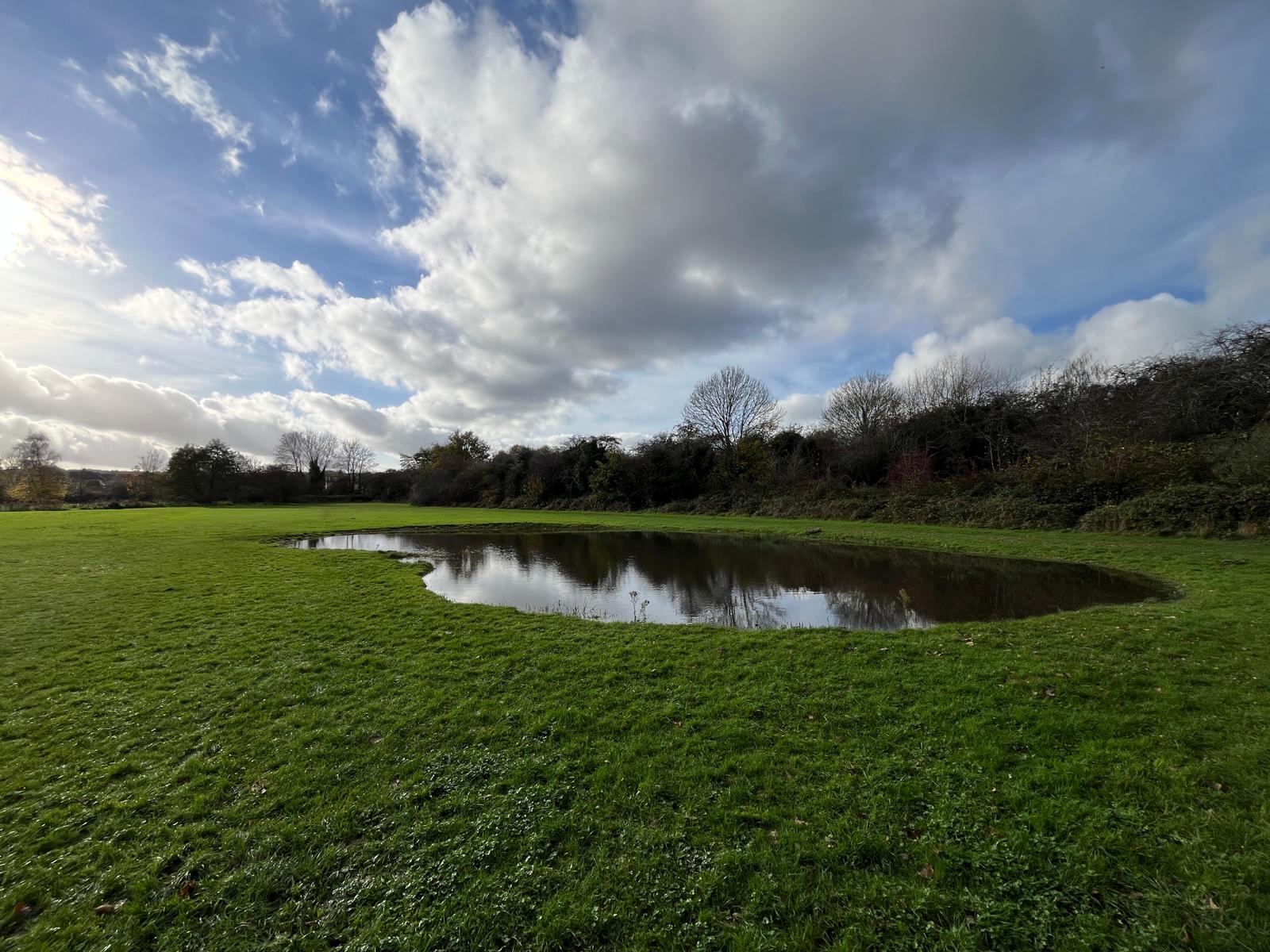
Lake View Park is designated as a flood zone 3, which is the highest designation and as such floods regularly. Despite this, floodwater had fewer places to go, increasing pressure on the channel. Across the park, several areas would seasonally be wet and hold water after flooding, however they lacked permanence, reducing their ecological value. The lack of permanence made it difficult for fish to breed, plants to establish, and wildlife to fully utilise the space.
However, the park held clear potential. Natural low-lying areas, existing wet patches, and its position along the river corridor made it an ideal location to restore a more functional and resilient wetland landscape.
What has changed
The restoration has introduced a range of carefully designed features that work together to support a healthier river system.
A more natural river channel
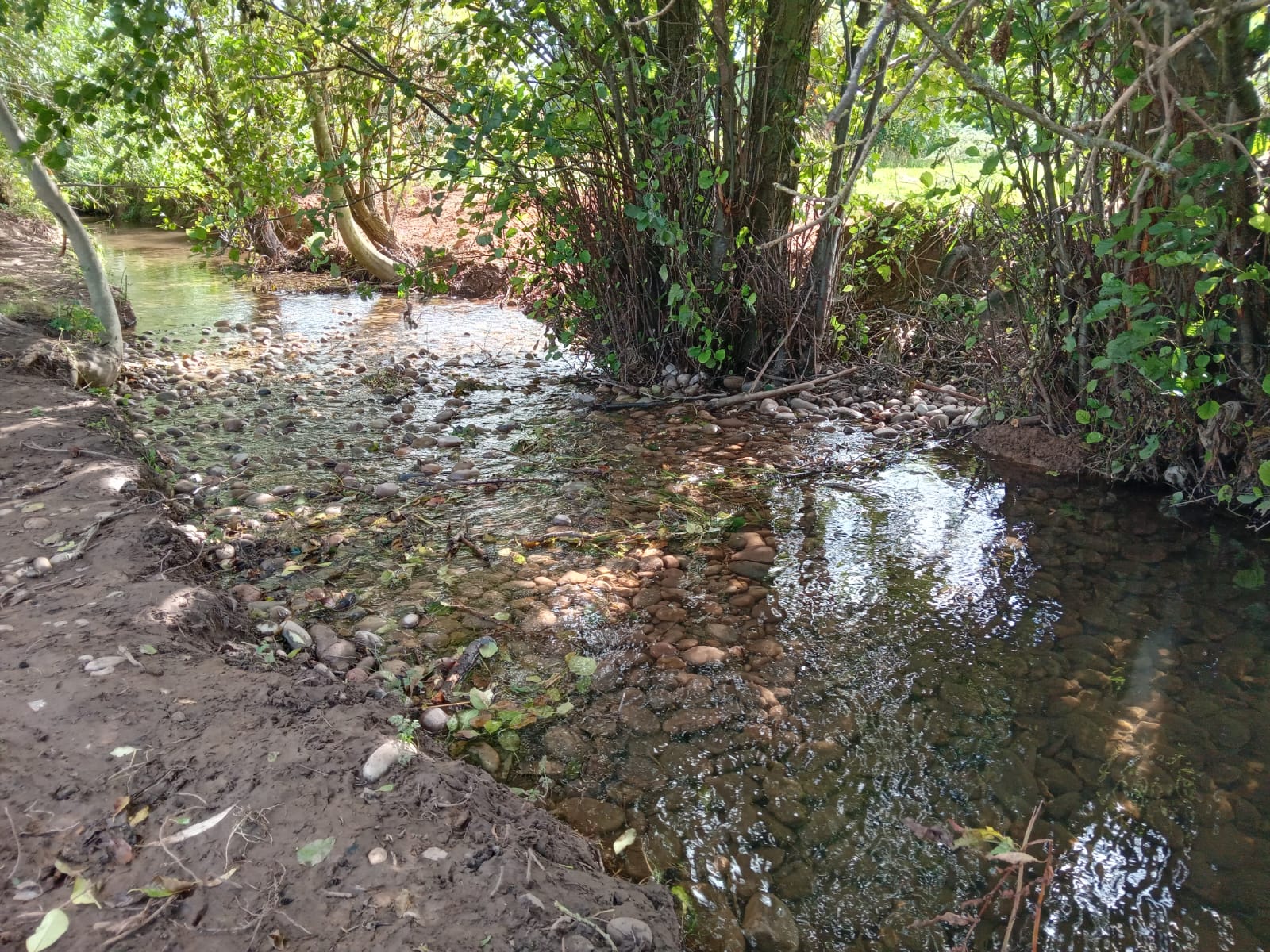
Sections of the river were widened in an alternating pattern, encouraging the river to gently meander. This creates a mix of faster and slower flows, helping to reduce sediment build-up while supporting a wider range of habitats and diversity
Riffle features were installed as shallow, fast-flowing sections formed using natural gravels. They were added to improve oxygen levels and create ideal breeding habitat for fish and aquatic invertebrates.
Reconnected floodplain
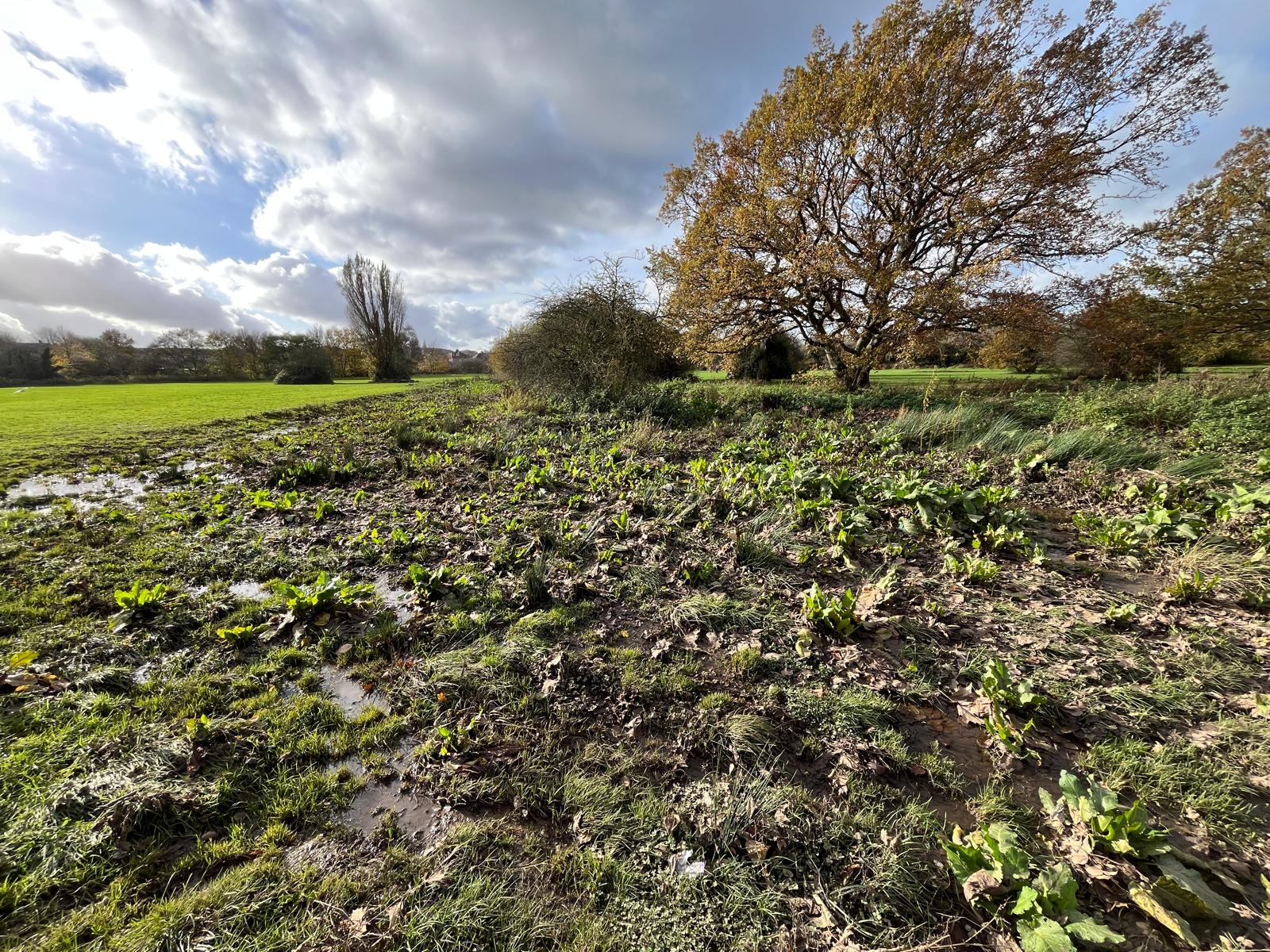
A section of the riverbank has been reshaped to create an inset floodplain, allowing water to deposit nutrients into the surrounding landscape during higher flows. This helps to store water naturally, reduce downstream flood risk. This helps to create fertile, wildlife-rich areas along the river edge.
A network of ponds, scrapes and wetlands
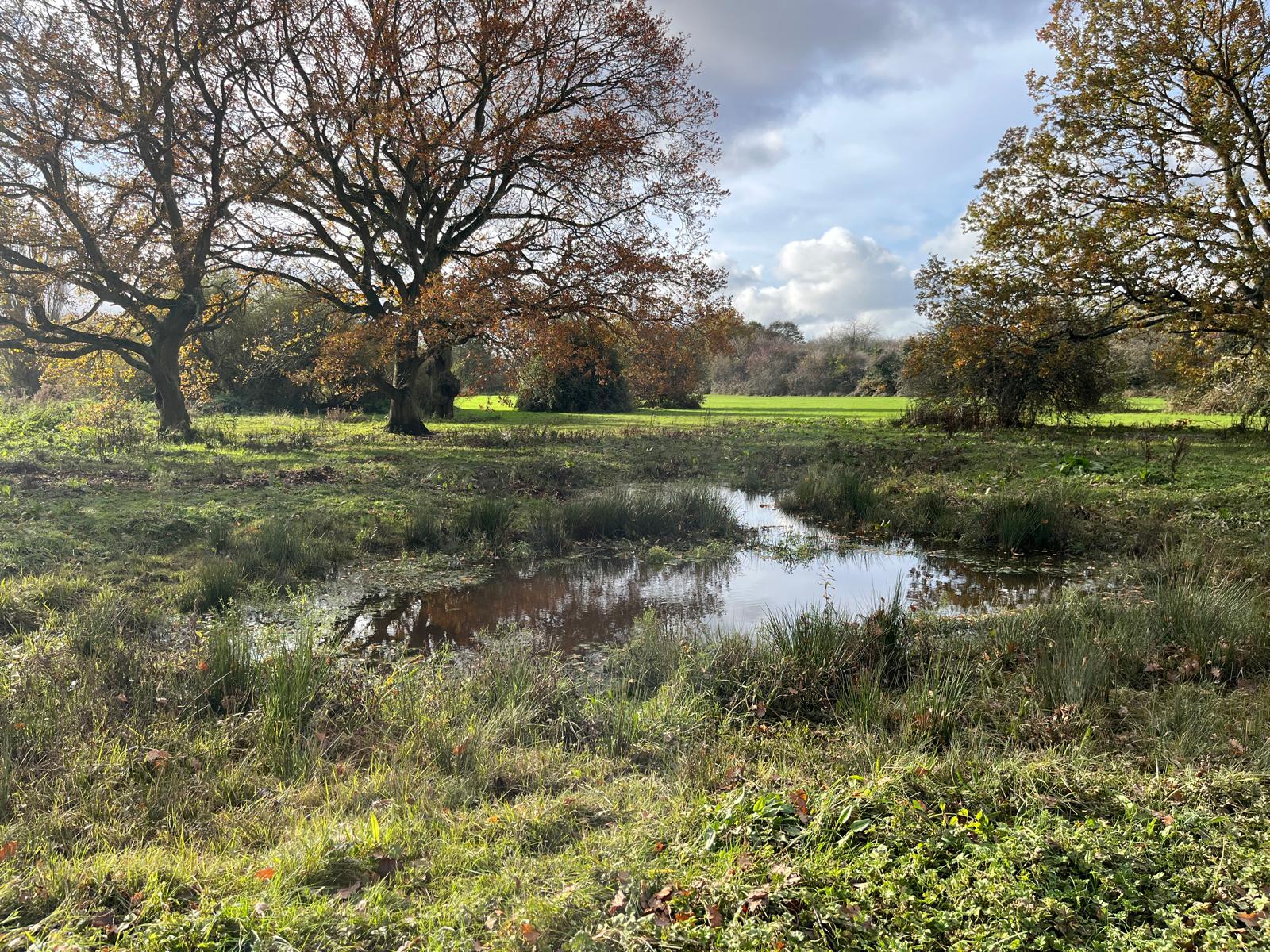
Across the park, new ponds, scrapes, and wetlands have been created and enhanced in areas where water naturally collects.
These features now provide a variety of habitats, from deeper ponds offering year-round water to shallow scrapes that hold seasonal water. Together, they form a connected wetland system that supports amphibians, birds, invertebrates, and plant life.
Improved river connectivity
Work to remove sediment from a blocked culvert reconnected sections of the river, allowing fish and other wildlife to move more freely through the park. This creates an important route around existing barriers and strengthens the river’s ecological network.
Benefits for wildlife
The changes at Lake View Park are already creating opportunities for a wide range of species, including:
- Fish and spawning habitats supported by gravel riffles
- Amphibians using ponds and scrapes
- Wetland plants establishing along newly created edges
- Birds and invertebrates benefiting from diverse habitats
As these habitats continue to establish, the park will become an increasingly important hub for biodiversity within the wider Sherbourne corridor.
Benefits for people
The restoration has also enhanced Lake View Park as a place for people.
The river is now more visible and connected to the wider landscape, while the new wetland features add interest, seasonal change, and opportunities for learning and exploration. Improved natural flood management also helps protect the park and surrounding areas during periods of heavy rainfall.
Future access improvements and interpretation will continue to build on this, helping visitors better understand and enjoy the river and its wildlife.
Shaped with community support
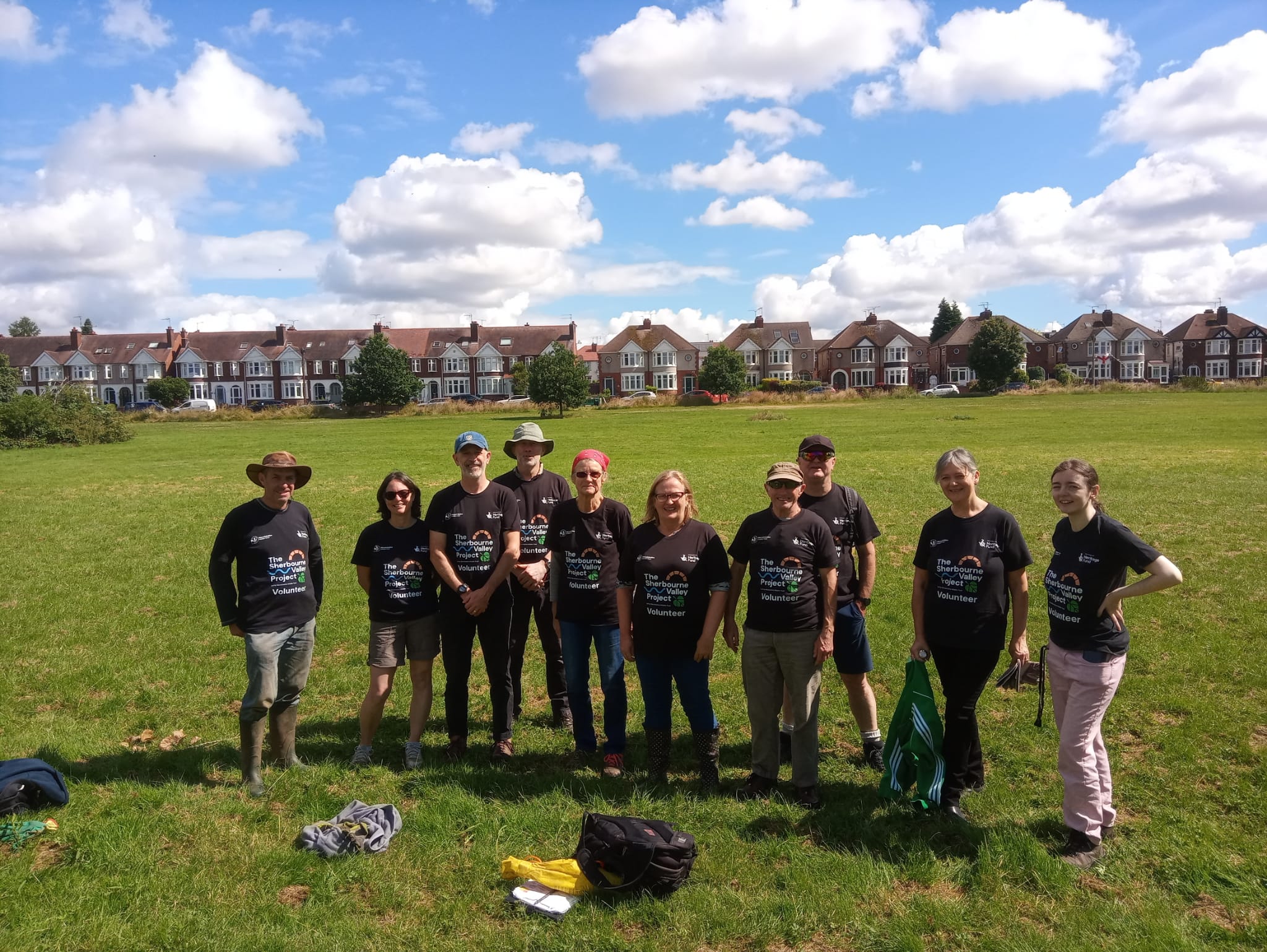
The restoration reflects strong community backing, with support gathered through consultation and engagement events over several years. Local feedback highlighted a desire for a more natural river, improved habitats, and better use of the park’s green space. These are priorities that guided the design and delivery of the works. We also have a long established volunteer programme in the park with passionate local people who have been upskilled and empowered to deliver habitat management while giving their dedication and time. With our support, several of these regular volunteers have also set up a Friends group called Friends of Lake View Park, who will continue to look after the best interests of the park for years to come.
Looking ahead
Like all river restoration, the work at Lake View Park is the beginning of an ongoing process. As vegetation establishes and the river responds to changing flows, the landscape will continue to evolve.
What is already clear is that this stretch of the Sherbourne is moving towards a healthier, more resilient future that supports wildlife, manages water more naturally, and provides a richer experience for everyone who visits.
View related posts

The Sherbourne Valley Project is carrying out further restoration work along the River Sherbourne in Whitley on the week of 14th September, with works expected to be completed within 3 weeks.
The Sherbourne Valley Project is proposing a further phase of river and wetland enhancement works within Lake View Park to be delivered in Autumn 2026. The works include the creation of five high-flow scrapes through bank reprofiling, one new seasonal wetland scrape, a permanent gravel riffle, and a butterfly bank created from excavated material.
View related posts
Showcasing what happens when we let nature take the lead. The changes at Coundon Wedge on the North Brook reflect the huge positive impact that using newer techniques such as "stage zero" can be incredibly effective at restoring nature.
What does Charterhouse look like today? Understanding how restoration has resulted in a more dynamic river corridor which is better for both people and wildlife.
View related posts
Celebrate Coventry’s hidden river at this year’s Autumn River Festival, taking place at Coventry Charterhouse on Saturday 19th and Sunday 20th September, from 11am to 4pm each day.
Join in the fun at Summer River Festival Coventry 2026, a free celebration of the River Sherbourne over the weekend of 6th - 7th June. There will be a packed programme of live music, theatrical performances, storytelling, river walks, and hands-on arts and crafts.


